It goes without saying, travel and cold suds go hand in hand. It’s a great way to unwind after a long day of sight-seeing or bond with friends old and new.
Portland’s reputation for beer is legendary with more than 80 (yes 80!) breweries within the greater Portland area. With this many breweries, it’s impossible to leave a pallet unsatisfied no matter what your taste. Best of all, since Portland law states that all alcoholic establishments must offer food, many breweries have invested in the full experience by offering great meal pairings to their beers.
If you’re short on time while visiting Portland Oregon, below is a list of some great options (some not so obvious). For each day that you have in Portland, mix one item from the ‘A’ list with one or two from the ‘B’ list below.
The Galapagos Islands are truly heaven on earth! This is a must for everyone’s bucket list.
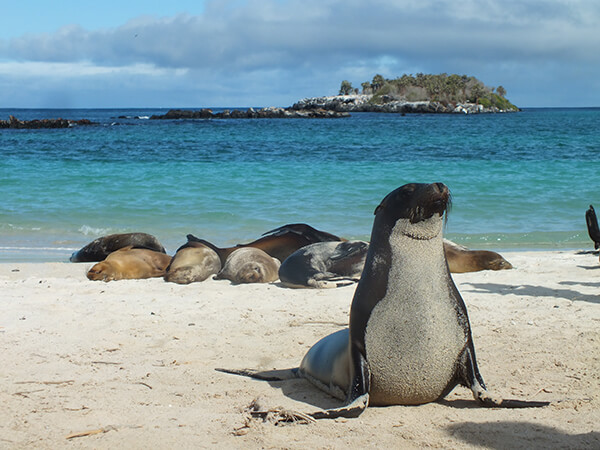
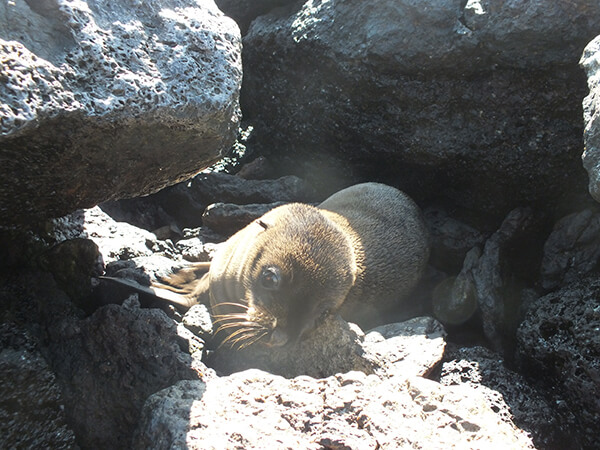
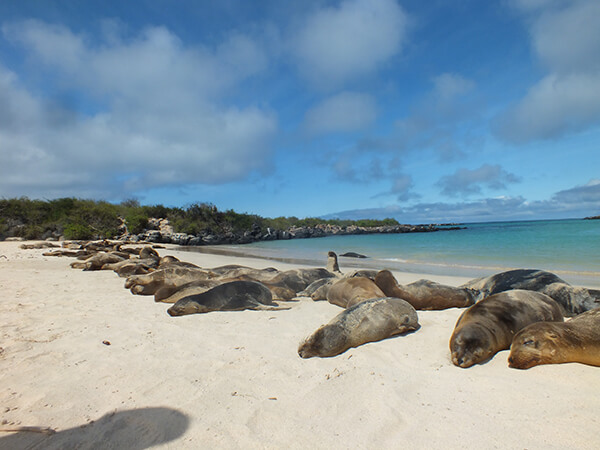
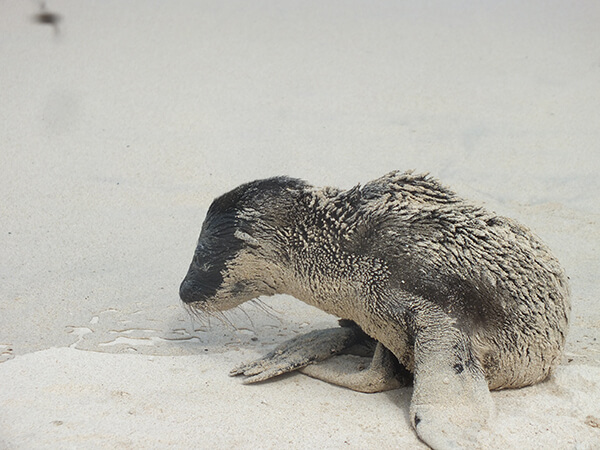
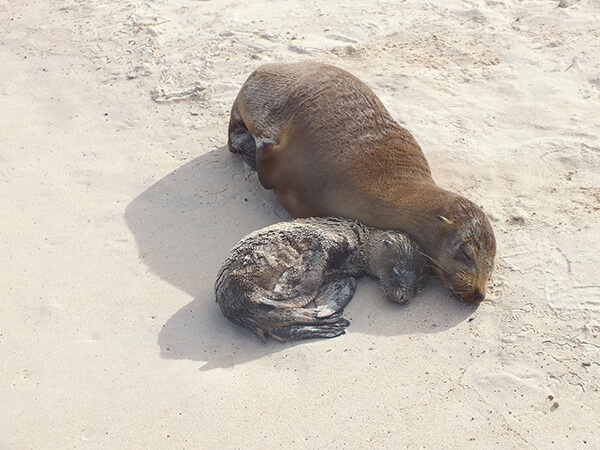
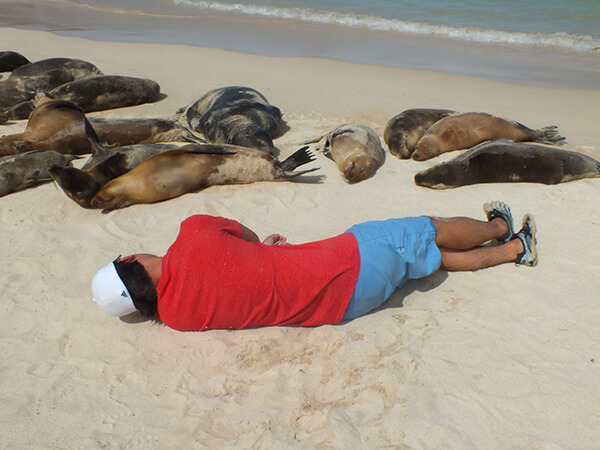
The islands offer unbelievably clean water, sand, and untouched wilderness that is highly protected by the government. Where else can you go to safely swim with wild turtles, sharks, and sea lions?
Most islands are untouched and laws limit the time each group can stay in each area. Just to land in the Galapagos will cost you $100USD upon arrival and there are strict laws governing where you can go and what you can touch.
G Adventures is highly recommended as they take care a lot of the planning for you. It goes without saying, this is not a place you want to ‘wing-it’. They offer various price levels/boats and I had the privilege of riding on their G4 boat, which offers running water, hot showers, and a spacious living area with a full bar. The staff is highly experienced and do what they can to ensure you’re comfortable during your journey.
Note: The waters do get rough at times, especially as they move locations overnight. Be sure to bring lots of Gravel and motion sickness meds even if you normally aren’t the type to get seasick.
Ah, the Galapagos Islands, a stunning archipelago of volcanic islands dotted across the Pacific Ocean. A place where nature reigns supreme, and where wildlife, untouched by human influence, thrives in abundance. This UNESCO World Heritage Site is a treasure trove of biodiversity, housing a myriad of unique species that can’t be found anywhere else on the planet.
Visiting the Galapagos Islands is like stepping into another world, a world where animals rule and humans are just visitors. The islands’ breathtaking landscapes, pristine beaches, and crystal-clear waters offer a paradise for nature lovers, wildlife enthusiasts, and adventure seekers.
But visiting the Galapagos Islands isn’t just about basking in the beauty of nature. It’s about experiencing a unique ecosystem, understanding the delicate balance of life, and learning about the fascinating process of evolution first-hand.
Why choose G Adventures for your Galapagos Islands tour?
When it comes to exploring the enchanting Galapagos Islands, not all tours are created equal. That’s where G Adventures, a global leader in small group adventure travel, comes into play. With a firm commitment to responsible tourism, G Adventures offers a unique, immersive experience that goes beyond the usual sightseeing.
With G Adventures, your Galapagos Islands tour is more than just a holiday. It’s an opportunity to experience the islands in-depth, to connect with nature, and to learn about the conservation efforts in place to protect this unique ecosystem. G Adventures also prioritizes small groups, ensuring that your tour is intimate, personalized, and less impactful on the environment.
What sets G Adventures apart from other tour operators is their commitment to responsible tourism. They work closely with local communities and conservation organizations to ensure that tourism benefits the local economy and environment. With G Adventures, you’re not just a tourist; you’re an active participant in preserving the islands’ fragile ecosystem.
Exploring the Galapagos Islands with G Adventures
G Adventures offers a variety of Galapagos Islands tours, each designed to cater to different interests and fitness levels. Whether you prefer to explore the islands on foot, by bike, or by boat, there’s a G Adventures tour that’s perfect for you.
For hiking enthusiasts, G Adventures offers trekking tours that take you deep into the islands’ volcanic landscapes. You’ll get to explore lava tunnels, hike up volcanic craters, and witness the islands’ unique flora and fauna up close.
If you’re a water lover, the snorkeling and diving tours offered by G Adventures are a must. These tours give you the opportunity to explore the islands’ rich marine life, including sea turtles, hammerhead sharks, and the iconic Galapagos penguins.
Unique experiences with G Adventures Galapagos Islands tours
One of the highlights of a G Adventures Galapagos Islands tour is the unique experiences it offers. From up-close encounters with wildlife to visits to local communities, every G Adventures tour is filled with memorable moments.
For wildlife enthusiasts, the chance to witness the unique behavior of the islands’ wildlife is a dream come true. Whether it’s watching the famous blue-footed boobies perform their mating dance, swimming alongside playful sea lions, or observing the giant tortoises in their natural habitat, each wildlife encounter is a unique experience in itself.
G Adventures also offers cultural experiences that allow you to interact with the local communities. You’ll get to learn about the islands’ history and culture, sample local cuisine, and even participate in community-led conservation projects.
G Adventures Galapagos Islands boat cruises
One of the best ways to explore the Galapagos Islands is by boat, and G Adventures offers a range of boat cruises that take you to the archipelago’s most stunning locations. These cruises offer a unique perspective on the islands, allowing you to explore hidden beaches, secluded bays, and off-the-beaten-track islands that are inaccessible by land.
With G Adventures Galapagos Islands boat cruises, you’ll get to witness the archipelago’s diverse wildlife in their natural habitats. You’ll also have ample opportunities for swimming, snorkeling, and diving, making your Galapagos Islands experience all the more immersive.
Other G Adventures Galapagos Islands tour options
In addition to boat cruises and trekking tours, G Adventures offers several other Galapagos Islands tour options. These include multi-sport tours that combine hiking, biking, and water-based activities, as well as leisurely tours that focus more on relaxation and wildlife viewing.
G Adventures also offers specialized tours for photography enthusiasts, bird watchers, and conservation-minded travelers. These tours offer unique insights into the islands’ wildlife and ecosystems, and provide opportunities for meaningful engagement with local conservation efforts.
Booking your G Adventures Galapagos Islands tour
Booking your G Adventures Galapagos Islands tour is a simple process. You can book directly through the G Adventures website, where you’ll find detailed information about each tour, including itineraries, prices, and departure dates.
Once you’ve chosen your preferred tour, you can book your spot with just a few clicks. And if you have any questions or need assistance, the G Adventures team is always ready to help.
Reviews: What past customers say about G Adventures Galapagos Islands tours
If you’re still unsure about whether G Adventures is the right choice for your Galapagos Islands tour, just take a look at the rave reviews from past customers. Many travelers praise G Adventures for their knowledgeable guides, well-planned itineraries, and commitment to responsible tourism.
Many reviews highlight the unique wildlife encounters and immersive cultural experiences offered by G Adventures. Others praise the company’s commitment to small group sizes, which allows for a more personalized and less impactful tour.
Tips for a successful Galapagos Islands adventure with G Adventures
To make the most of your Galapagos Islands adventure with G Adventures, it’s important to come prepared. Here are a few tips to ensure a successful trip:
Pack light but smart: The Galapagos Islands’ weather can be unpredictable, so it’s a good idea to pack layers. Also, don’t forget your swimsuit, sunscreen, and a good pair of hiking shoes.
Respect the wildlife: The Galapagos Islands are home to many unique species, and it’s important to respect their space. Remember, you’re a visitor in their home.
Stay hydrated: Exploring the islands can be physically demanding, so it’s important to stay hydrated. G Adventures provides ample opportunities for rest and hydration.
Conclusion: Why G Adventures is your best choice for Galapagos Islands tours
When it comes to exploring the Galapagos Islands, G Adventures offers a unique, immersive experience that goes beyond the usual sightseeing. With a commitment to responsible tourism, small group sizes, and a range of tour options, G Adventures ensures a memorable and meaningful Galapagos Islands adventure.
So what are you waiting for? Experience the Galapagos Islands like never before with G Adventures. Book now, YOLO!
Greece is known for its great seafood cuisine, and experiencing in Mykonos is no exception. But I couldn’t help but wonder, what would sushi delivery compare to back home? So I set out to find out! Surprisingly, it didn’t take me long to find a highly recommended sushi delivery service right in the heart of Mykonos.
This past July, I had the privilege of joining dozens of travel insiders at Travel Massive’s Unconference event in Ios, Greece.
The conference was generously hosted by the Luxurious brand of hotels and restaurants. As we went through the week’s events, it became clear that Luxurious and its founders are trying to keep Ios Greece from going the way of the other islands in the region in becoming a party haven, but to position it as a sustainable, luxury island.
The most favorite Brazilian destinations are chosen for their great weather, amazing beaches (or hotel pools), awesome exploring, and outstanding dining and drinking experiences. But what to pack for all these activities?
Proper Packing for Brazil The humid climate makes lightweight, breathable clothing absolutely necessary, regardless your destination and endeavors.
Adaptors and surge protectors will be needed if you plan to travel with electronics. Most places in use 110 Volt AC electricity, just like the US and Canada but sometimes round pin sockets have 220 volts. To avoid destroying your hair dryer, laptop, or phone, it is best to use a power adaptor.
Toiletries in Brazil will be twice as expensive as at home, so be sure to bring your favorites with you. Remember to pack aloe vera in case you burn, and strong sunscreen to try and avoid it.
The law in Brazil demands that foreigners carry identification at all times, so be sure to pack an ID Card or copy of your passport to carry with you, even at the beach.
For Exploring:
Solid, comfortable shoes are necessary for long hours of sightseeing, and the bumpy trails of hiking paths.
A small backpack or daybag can store your necessities, including a camera, map, and water, which you shouldn’t skip as dehydration comes easily.
For Dining and Drinking: Brazilians dress well, and casual yet elegant clothing will be a better choice than beachwear for anything fancier than a beachside kiosk. When in doubt, overdressing is better than underdressing.
A nice pair of shoes will be needed if you plan to visit any clubs in Brazil’s major cities (Havainas will not cut it).
For Beaching:
The sun in Brazil is especially intense. Even if you usually forego them, be sure to pack sunglasses and a hat to avoid heat exhaustion and sun-sickness.
Feel free to forget many necessary beach-related items, as they are cheaper and of good quality in Brazil:
Beach coverups are sold on the beach and in many beach-side shops, and are great souvenirs.
A canga does double duty as a beach coverup and a beach blanket, and are extremely popular and available everywhere, and also great as souvenirs.
Bikinis in Brazil are cheaper (and skimpier, if you want to try it out!) than at home, and this goes for men’s swimsuits as well!
The popular Brazilian sandals called Havaianas are extremely good quality, one third the price in Brazil as compared to abroad, and with shops everywhere (even the airport).
Every beach will have kiosks renting beach umbrellas and beach chairs for a tiny fee, so don’t waste valuable packing space by including those either.
Remember Brazil is a vast and varied country, with 26 states of differing climates, cultures, and charms so be sure to check the weather of your destination before finalizing your packing list. Don’t assume that the seasons are the same in Brazil as at home. What is summer in your country may be “winter” in Brazil! Brazilian winter in some regions will require a jacket, at least at night. Winter can be rainy, as well as some other seasons in a few of the regions, so it may be wise to pack a raincoat or portable umbrella if applicable.
If you’re on a tight budget or ended up sleeping in and missing a scheduled walking tours, below is a basic summary of some of Milan’s central attractions.
(Duomeo Di Milan) Milan Cathedral and its surroundings
Unfortunately taking photos in the Cathedral is not allowed, so you can only take pictures from the outside and in front of the building. Milan Cathedral was built in the 14th century and is famous for its 3000+ statues.
The area that surrounds the Cathedral has a number of pleasant cafes and restaurants. Time passes quickly here sipping on a cup of Italian coffee.
From here you can easily reach The Scala (Teatro alla Scala). Milan’s Scala is the place that every opera singer dreams of.
Opposite the opera house you will find Leonardo’s statue.
In order to see Leonardo Da Vinci’s 15th century mural, “The Last Supper” that he finished as his masterpiece in 1498, head to the monastery as it is found on the wall of a monastery’s dining room.
Each 15 minutes only twenty people can go in into the hall, which is then sealed from both sides. Be sure to book your tickets in advance! If you miss your time slot you won’t get another on the same day (or even the same week).
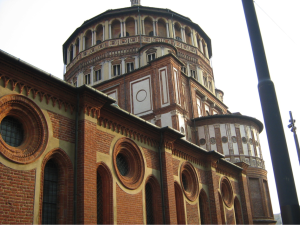
The church next to the monastery is also recommended – the Santa Maria delle Grazie basilica. The original little chapel has been incorporated into the current building and inside you can see many divine statues, memorials, and family shrines.
Next is the legendary Leonardo Da Vinci Science and Technology Museum that contains a lot of reconstructions of Leonardo’s works, including designs and idea plans.
Once inspired by Leonardo’s many relics, head over to Sforza Castle which is in the centre of Milan. On your way you can look around at some shops or eat a good Italian pizza. The castle has been there since 14th century and is the main symbol of the city.
In front of the great Gate you can sit for a while and just look around. A lot of students spend their time at the nearby fountain. If the weather is nice you might see some talented skateboarder groups practising their shows alongside some street musicians.
Nowadays some fine galleries and museums like The Museum of Ancient Art are situated in the Sforza Castle. When you leave the castle be sure to take a look at the castle’s tail gate. The sight from this perspective is very enjoyable.
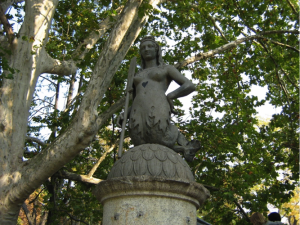
The tour ends at the mermaid bridge and a very large park. Be sure to take this in if you still have time.
Brazil is an enormous country with widely varying cultures and customs. Regardless of which region you are going, however, there are a few commonalities between all of Brazil.
The language is Portuguese.
Not Spanish. While this is a common misconception, as Brazil is the only country in South America that doesn’t speak Spanish, mistaking the national language can be offensive to some Brazilians. Portuguese and Spanish are quite similar languages in some ways, and many Brazilians can understand Spanish. English is not widely spoken, so try learning a few words and phrases in Portuguese – it is fun, and appreciated by Brazilians!
A buyer always carries change and small bills.
Vendors rarely have a lot of change, especially in the morning. If you want to avoid paying extra, or having to forego a really wanted purchase, do yourself a favor and carry a lot of small bills and change.
This also applies to supermarkets and stores. Cashiers are not allowed to have large amounts of cash, and are not properly stocked with change as would be the norm in most other countries. In order to change your large bill, they will need to either receive help from a supervisor, or take the bill to the help desk like at Zona Sul and Princesa markets. Avoid the hassle, the long waiting times, and the inconvenience by preparing yourself for this, or by paying with credit card.
Everyone is always late.
If you invite new Brazilian friends to meet you for a drink at 7pm, it is likely they won’t show up for at least a half hour late, most likely an hour or more.
In the same way, if you are invited to a party that begins at 9pm, it is best not to arrive on time. Otherwise, you will likely be the only one there, and the host may not even be ready for you and will certainly not expect you. If arriving to a dinner, it is best to be 30 minutes late. If arriving to a party or less formal gathering, plan on one hour tardy.
Greetings are touchy.
Men usually shake hands when greeting, while maintaining eye contact. Women usually kiss each other, starting with the left cheek and then alternating, even when first meeting. In some regions, and Rio de Janeiro especially, kissing cheeks is more common than handshakes, including when first meeting.
A question is the most popular way to say “Hello!”
When you greet someone, you ask “Tudo bem?” (sounds like toodoo bayne) or “Tudo bom?”
It literally means “All well?” or “All good?”
The proper response is Tudo (tuuu-do) or Tudo bem (tuuu-do bem, said affirmatively) or Tudo bom
You should eat, drink, and dance to fully experience Brazil.
Some cultural aspects are special and original to Brazil, and to experience the culture you should be sure to try them.
Brazil’s national dish is feijoada, a type of bean stew made with pork, beef, and vegetables. Churrascarias (grilled meat restaurants) are extremely popular and feature a style of serving known as rodizio, where waiters circle the dining room offering cuts of meat.
The national drink is the caipirinha, a boozy Brazilian cocktail made with the national cane liquor cachaça, sugar, and lime.
The most popular Brazilian dance and music is samba, which is seen throughout the country. Other popular styles unique to Brazil include capoeira (a mix of martial arts) and bossa nova.
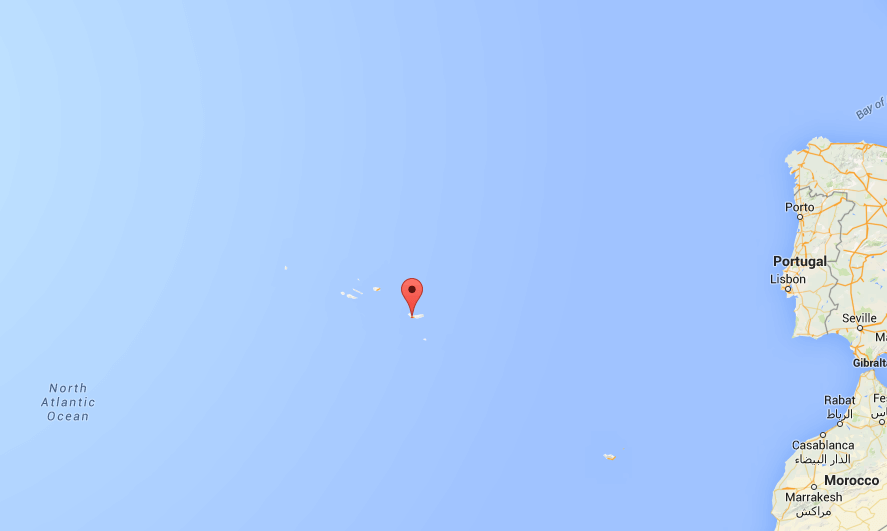
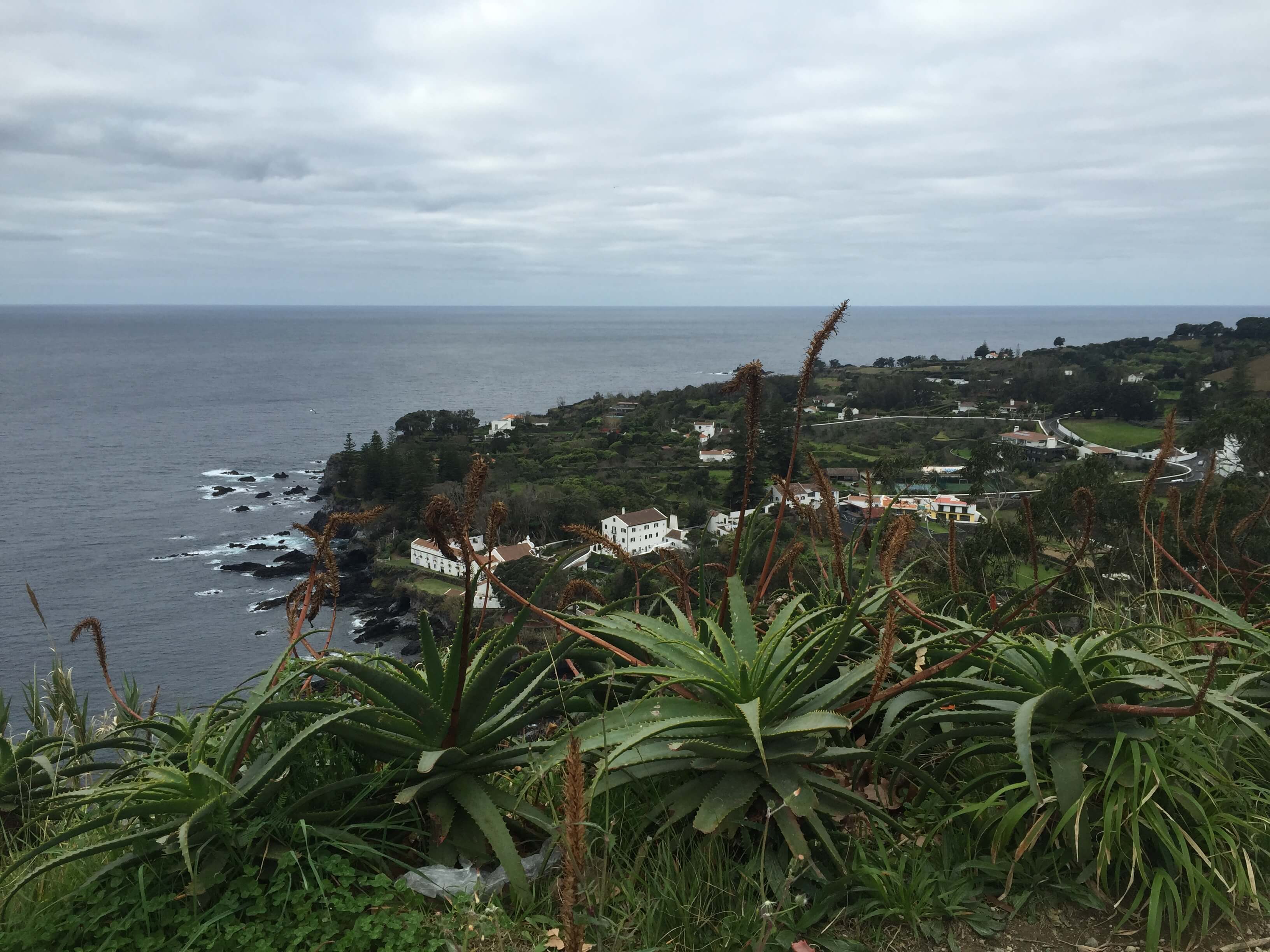
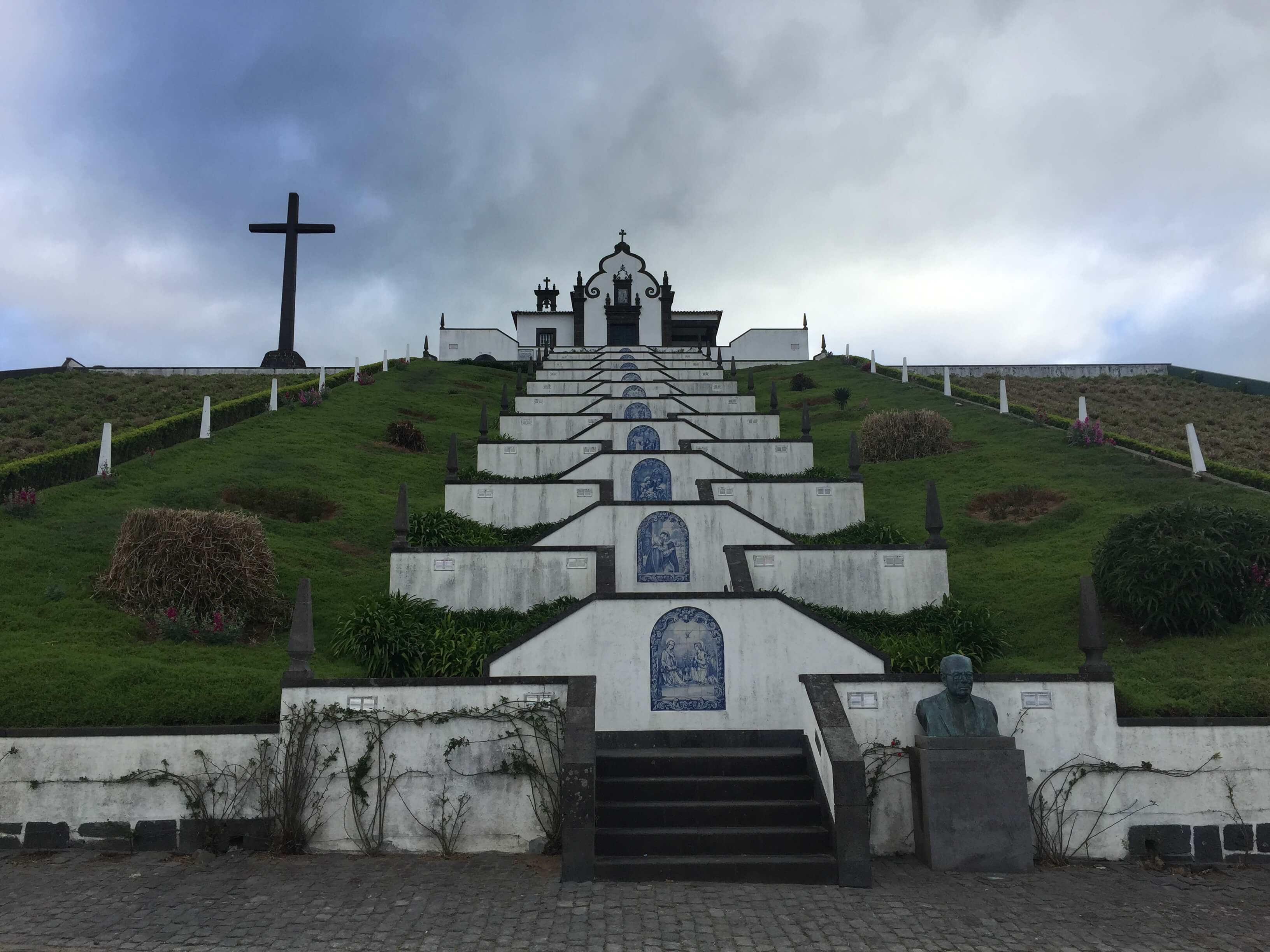
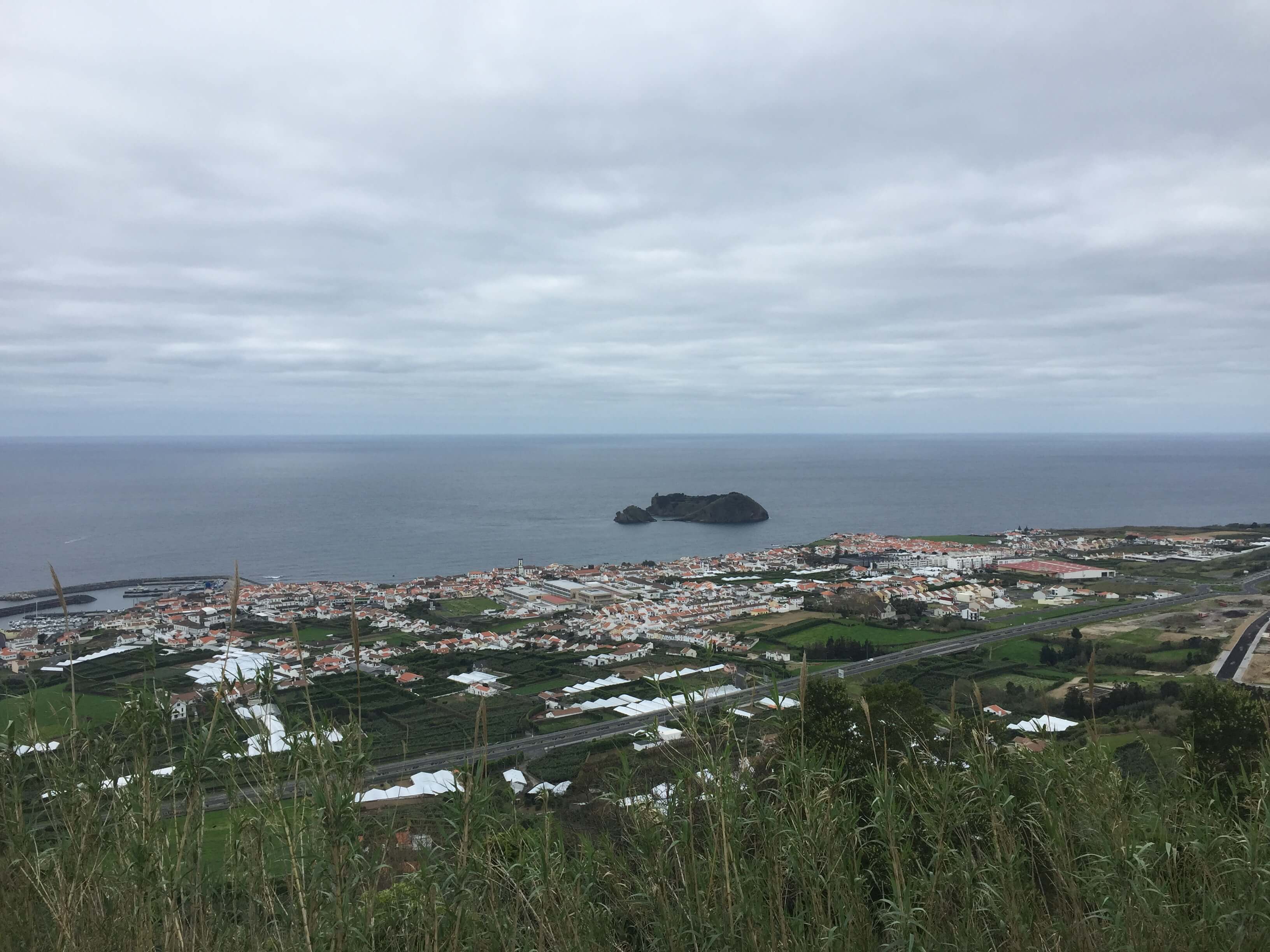
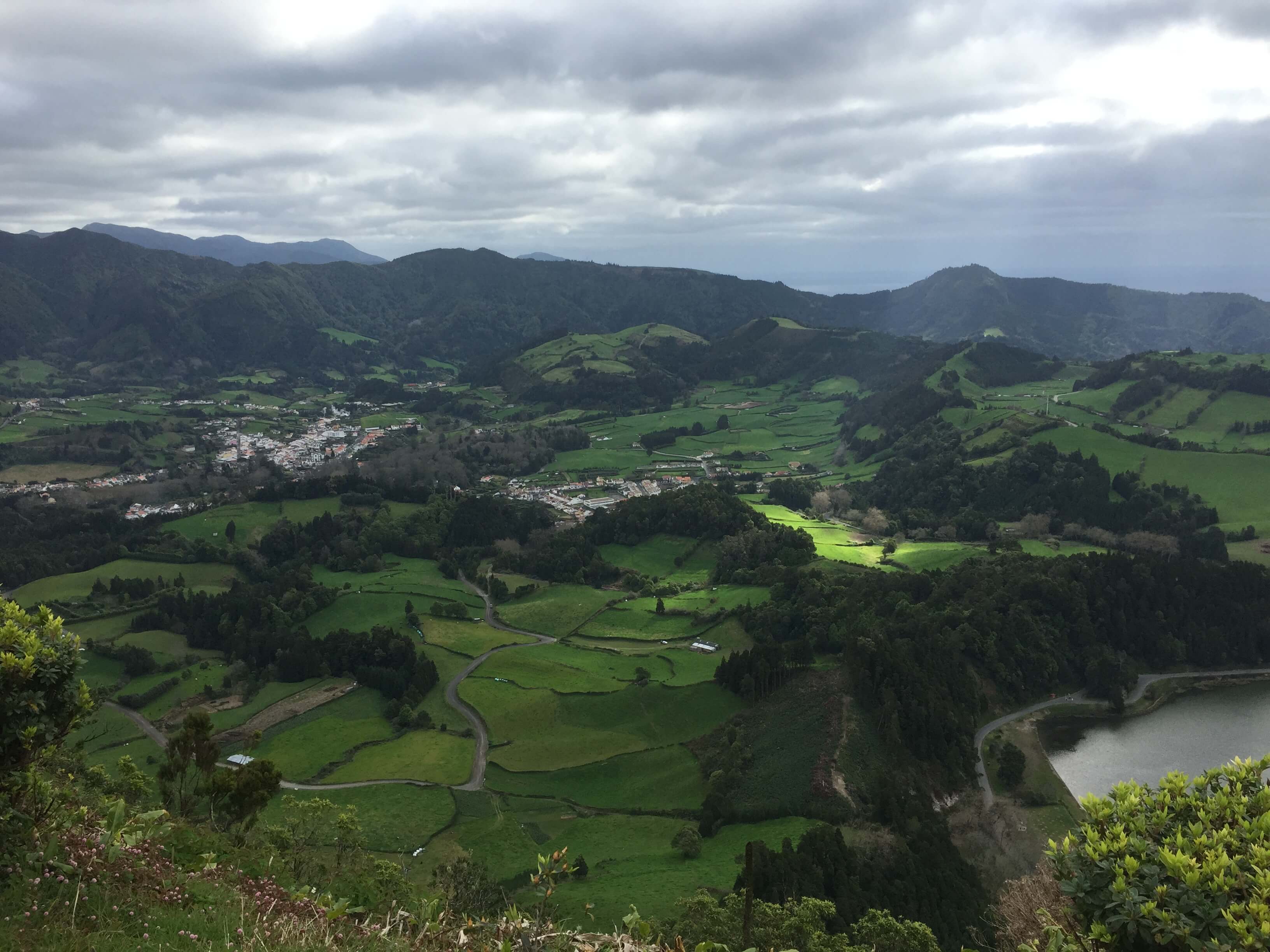
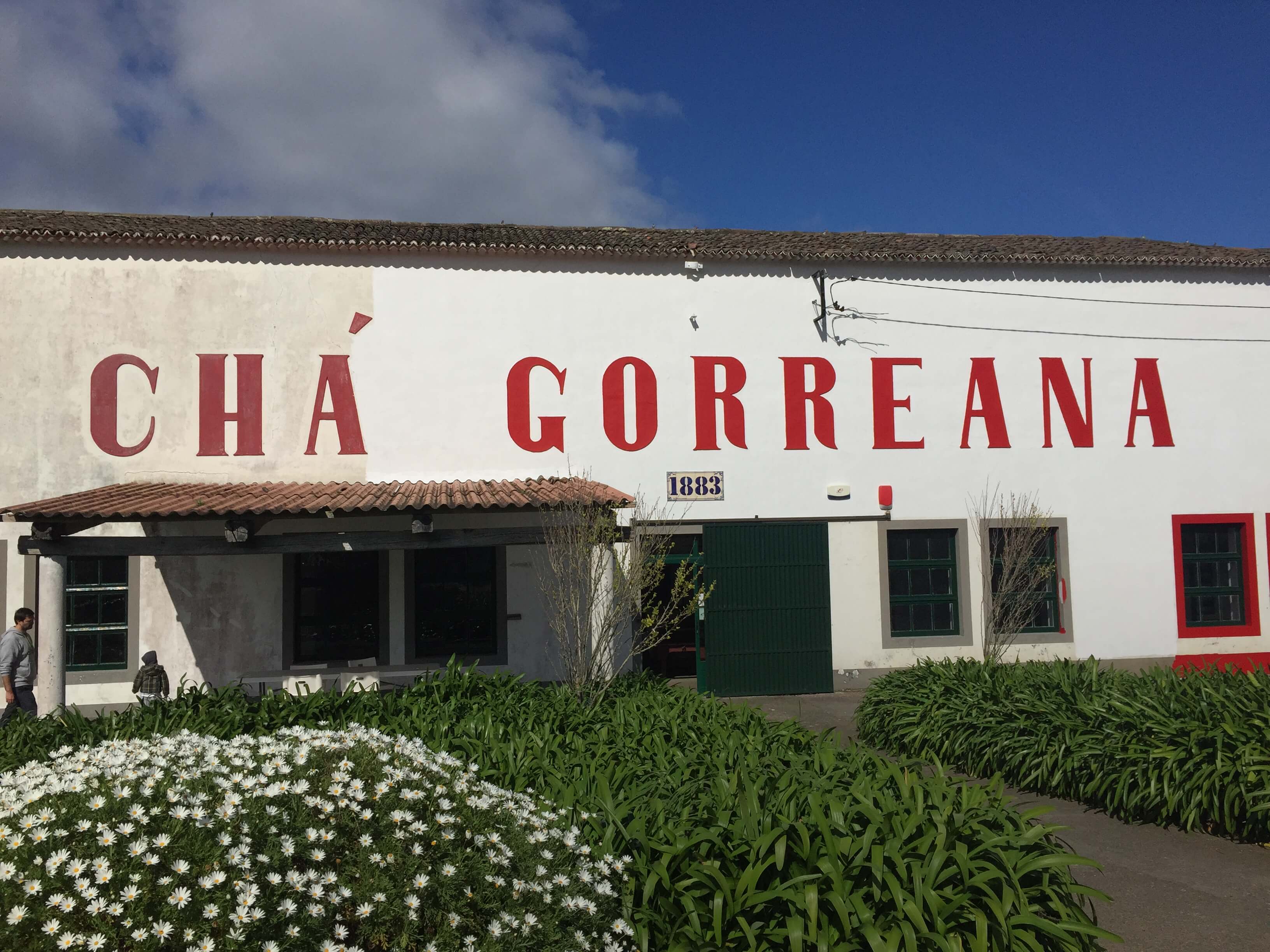
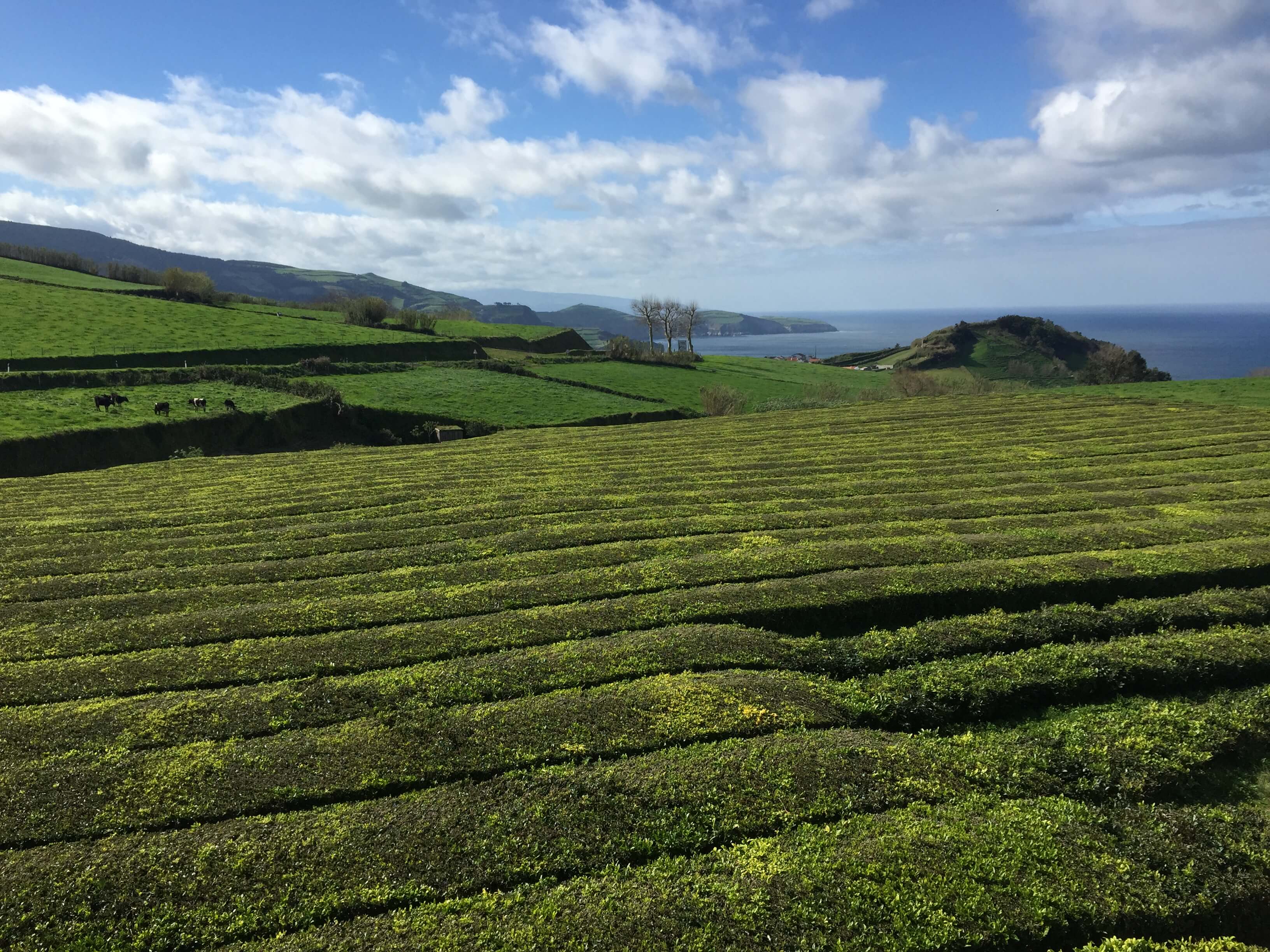
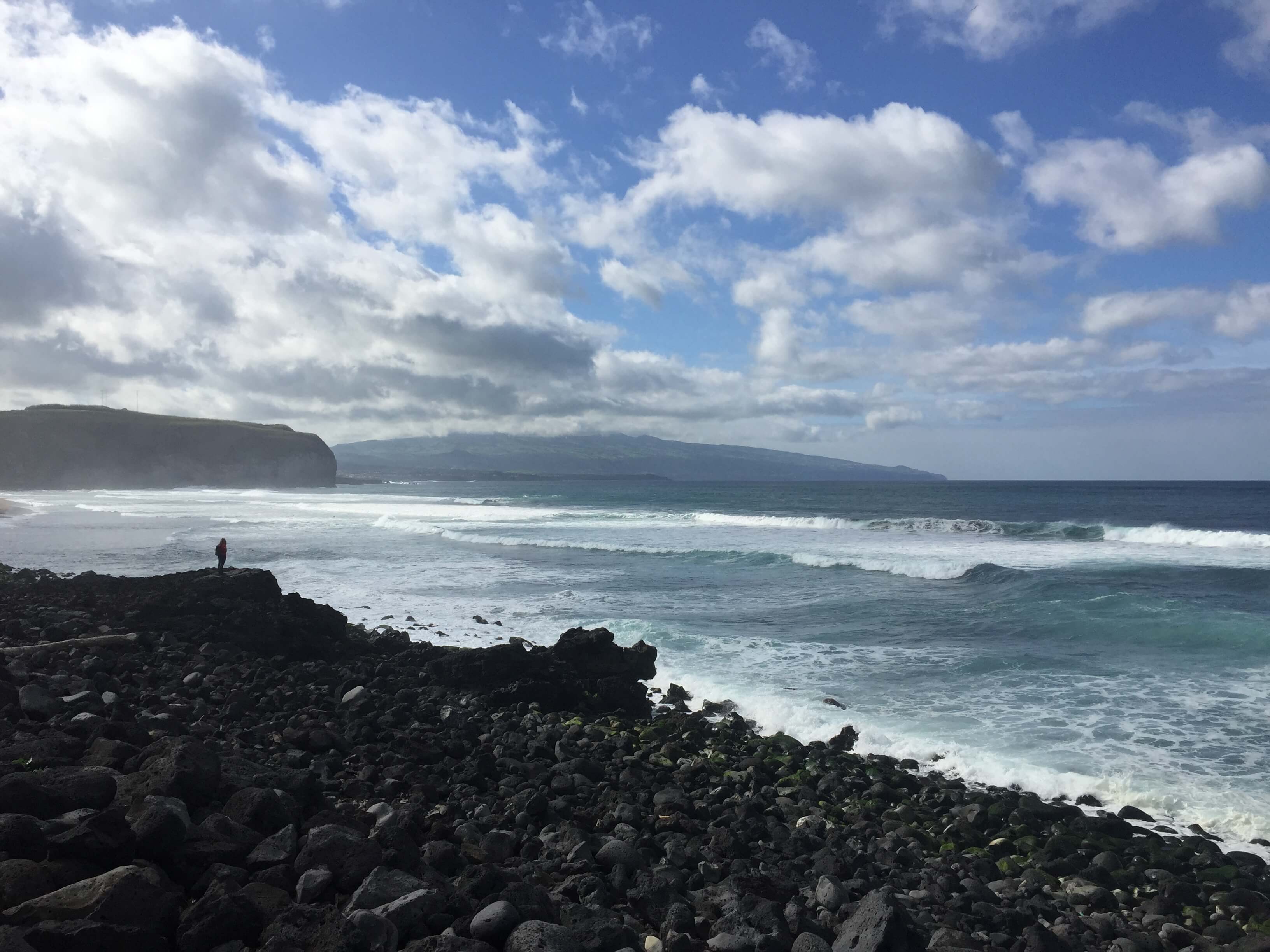
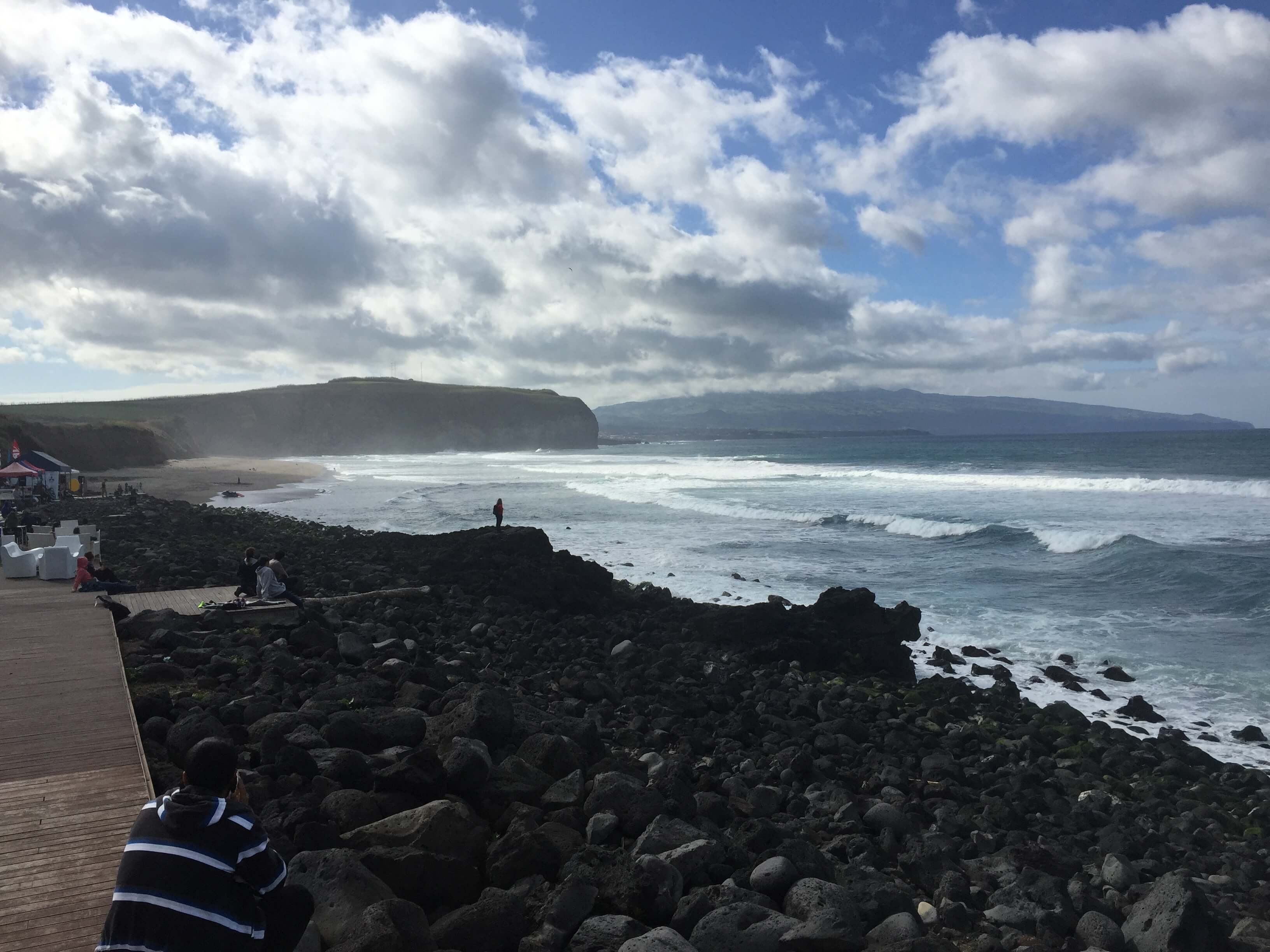
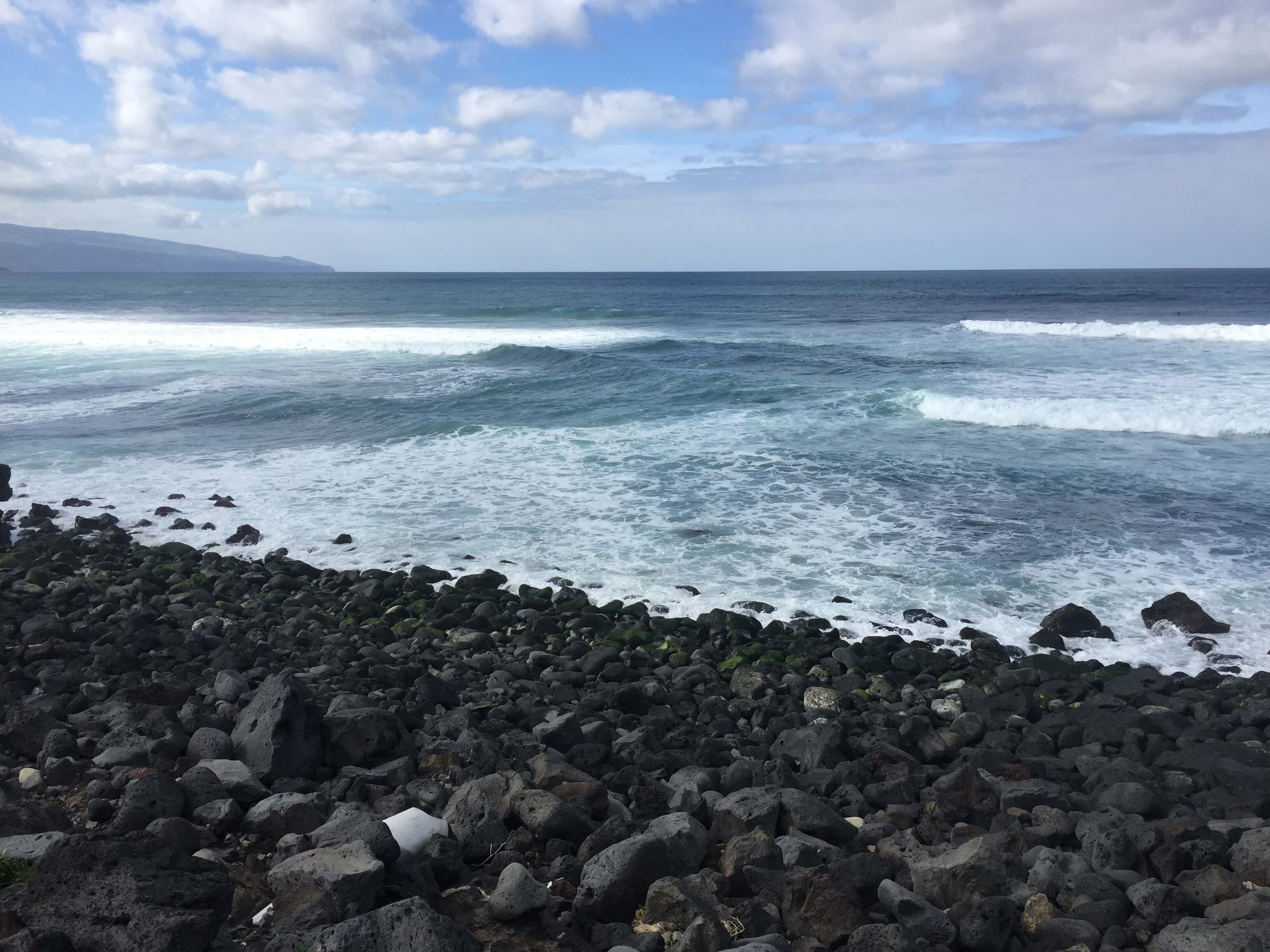
For those of you travelling from North America to Portugal, you might end up in Ponta Delgada on a stopover. Most people see this as an inconvenience, but for others it’s a great opportunity to take in this great remote Portuguese island.
Being that it’s so small, there are half-day (4 hours) and full day (7-8 hours) tours available right from PDL airport. Prices range from €50 – €120 per vehicle with various options.
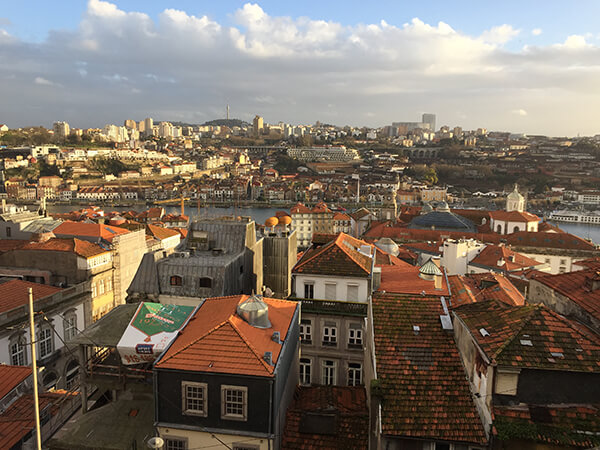
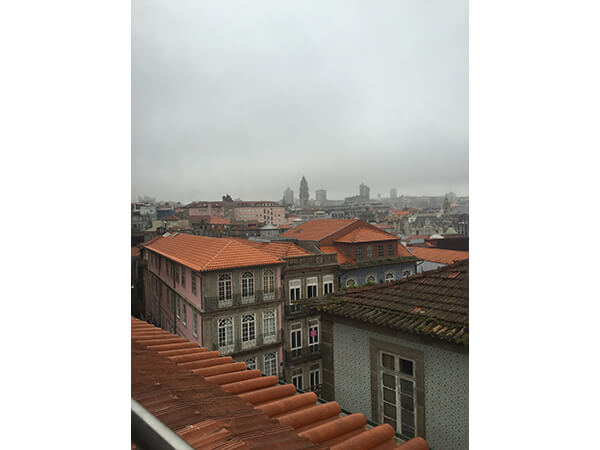
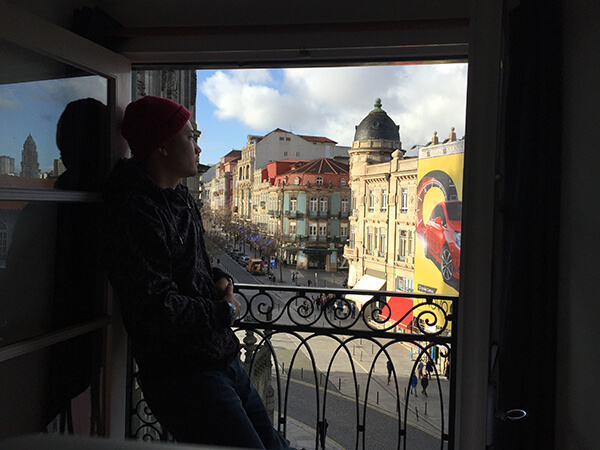
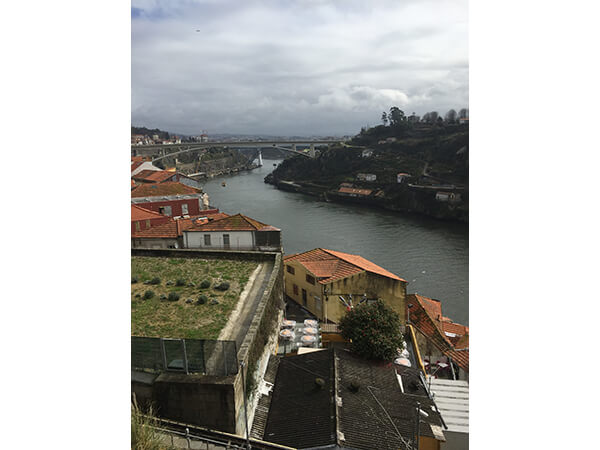
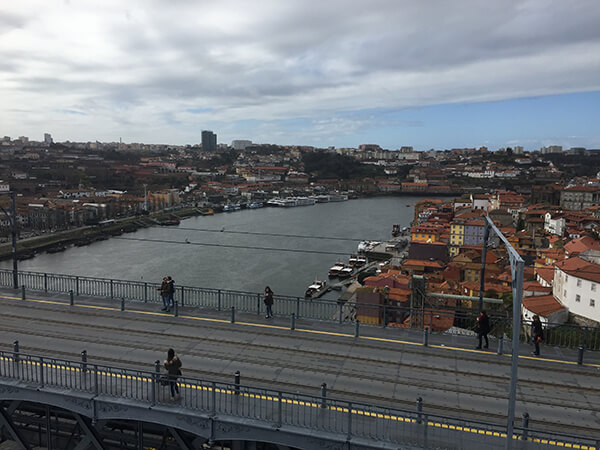
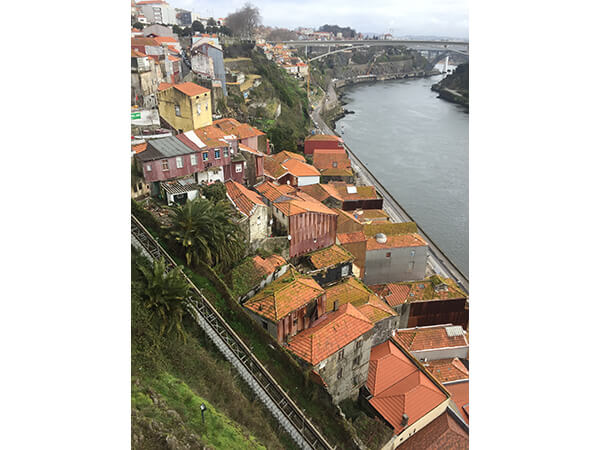
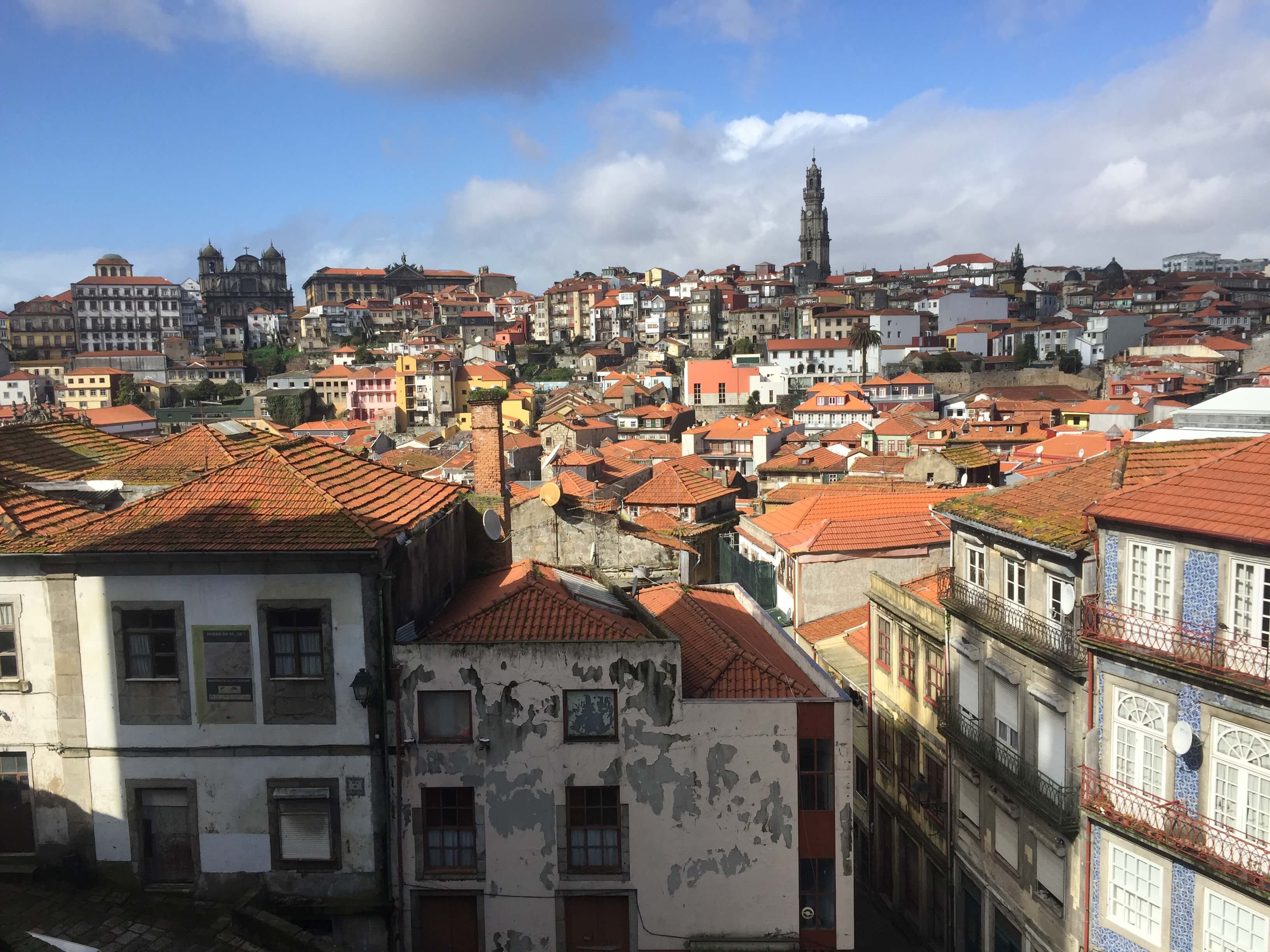
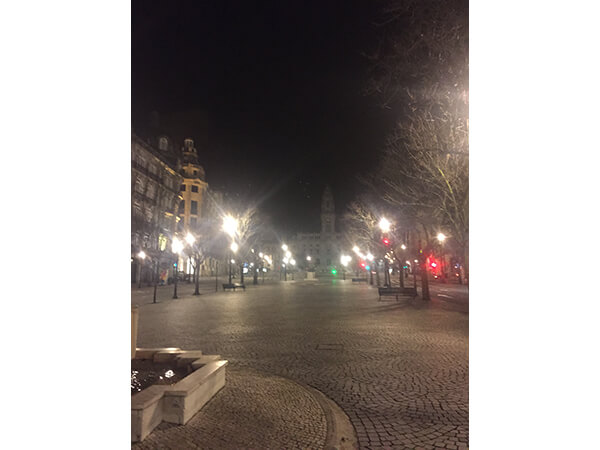
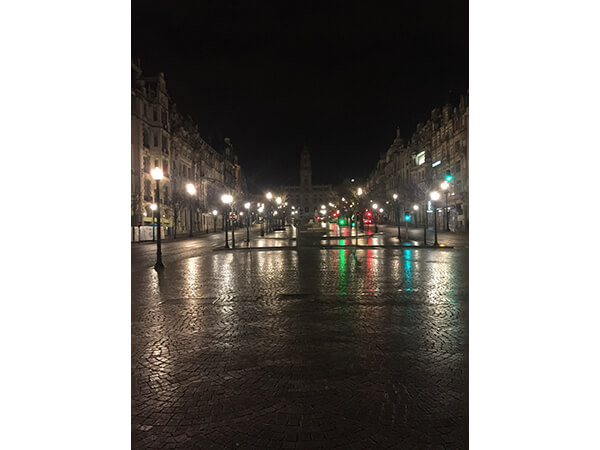
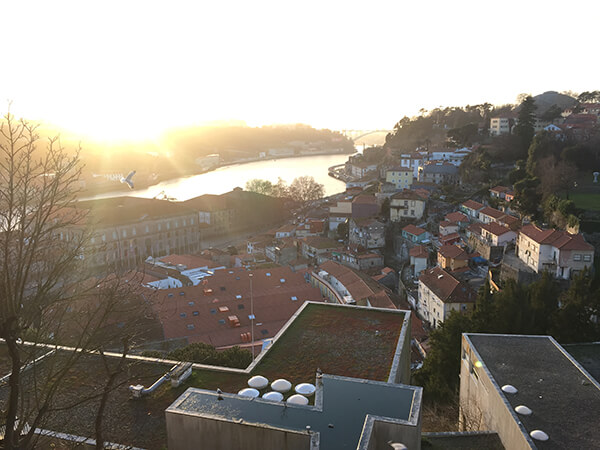
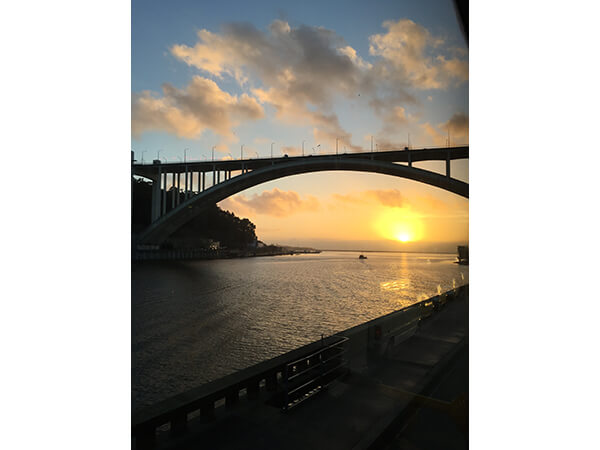
Porto, Portugal (and Portugal in general) is a very safe and friendly place. Most citizens in the main city centers speak English and are always looking to help. Take the usual precautions against pickpockets in crowded areas and trains.
One of the top rated hostels in Porto. Very clean, great friendly staff and right in the center of downtown within walking distance of the main attractions.
Included:
– Breakfast 8am – 10am.
– Free (tip based) walking tours right from the hostel in the morning (10:30am) and in the afternoon (3:30pm)
Additional perks and ways to save:
– €10 dinners every night at 9pm with unlimited drinks until 11pm.
– Except for Sundays and Mondays there’s a pub crawl nightly for €12 (€10 if you get dinner at the hostel) that goes as long as you want to stay out.
– €15 wine tour leaving straight from the hostel.
– Of course, the hostel will help you with other tour bookings as needed, including surfing trips. Tip: Be sure to ask your walking tour guide for tips on cheap (and good!) local places to eat that won’t gauge you for your tourist dollars. You can get a decent lunch from €3 – €5 quite easily.
Harry Potter anyone?
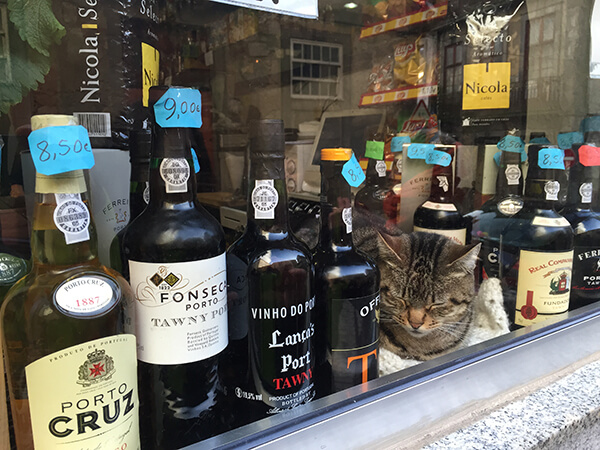
Wine, wine, wine, wine, cat!
Other:
Train from Lisbon to Porto: €24 (roughly 3 hours with great views of the country side along the way and free wifi).